
Introduction
Sourcing baby products from China can unlock 30–50% cost savings for your brand — but only if you partner with the right manufacturer. Cut corners on factory selection, and you risk product recalls, shipping delays, compliance fines, and permanent damage to your brand reputation.
After 26 years of manufacturing baby strollers, cribs, playpens, and high chairs for 200+ global brands, we’ve seen every mistake new importers make. This guide distills the exact audit framework that Walmart and other major retailers use to qualify baby product suppliers in China.
By the end, you’ll know exactly what to check, which questions to ask, and which red flags should immediately disqualify a supplier.
1. Start with Compliance: Certifications That Matter Most
Baby products are among the most heavily regulated consumer goods in the world. A factory that lacks the right certifications isn’t just cutting corners — it’s putting your customers (and your business) at risk.
Must-have certifications for baby product factories
| Certification | What it covers | Who requires it |
|---|---|---|
| ASTM F833 / F966 | Stroller & crib safety standards | US market (CPSC) |
| EN 1888 / EN 71 | EU stroller & toy safety | EU market |
| GB 14748 / GB 31701 | Chinese national safety standards | Domestic + export baseline |
| BSCI | Social compliance (labor, ethics, environment) | EU retailers |
| ISO 9001 | Quality management system | Global baseline |
| CPSIA / CPC | Children’s Product Certificate | US import requirement |
Red flag: A factory that says “we can pass any test” but can’t show current, valid certificates is lying. Ask for PDF copies before you sample.
Cobabies maintains all major certifications — including Walmart A-Grade supplier status — and we provide full test reports within 24 hours of inquiry.
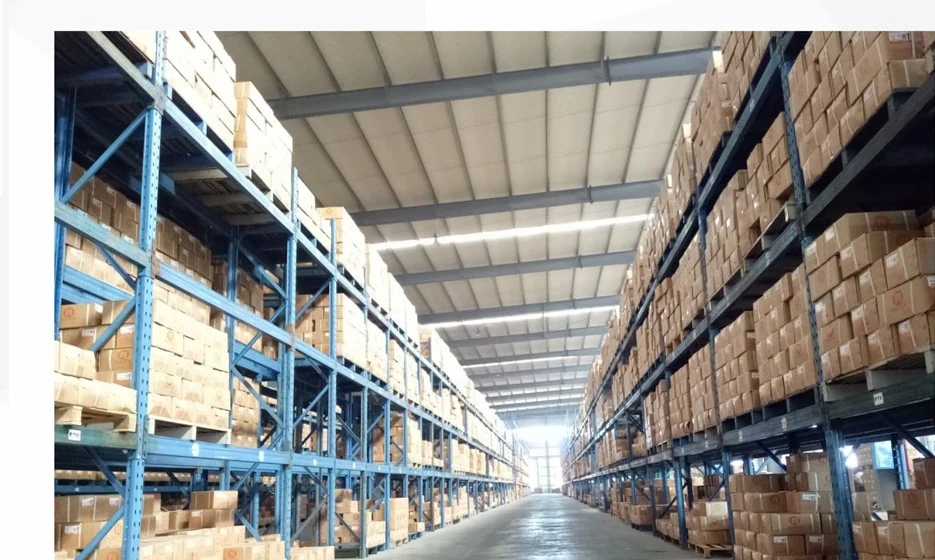
2. Verify Real Manufacturing Capacity (Not Trading Companies)
China has thousands of “baby product suppliers” that are actually trading companies or middlemen. They add 15–30% markup and have zero control over quality or lead times.
How to spot a real manufacturer vs. a trading company
- Check the business license. Look for “生产” (manufacturing/production) in the business scope, not just “销售” (sales/trading).
- Ask for factory photos and videos. Real factories will show you production lines, injection molding machines, sewing departments, and QC labs.
- Request an on-site audit. If a supplier refuses or delays, walk away.
- Check product range. Factories typically specialize in 2–4 product categories. If someone offers 50+ unrelated items, they’re almost certainly a trader.
Cobabies operates a “coastal brain + inland hands” model — our R&D and design center is in Xiamen (coastal, fast communication), while our three manufacturing bases in Sichuan, Hunan, and Jiangxi handle mass production with lower labor costs. This setup gives you the best of both worlds: rapid prototyping and competitive pricing.
3. Quality Control: How Factories Should Test Baby Products
A factory without a dedicated QC lab is a gamble. For baby products, testing shouldn’t be a final step — it should happen at every stage of production.
A proper QC process includes
- Incoming material inspection: Testing raw materials for heavy metals, phthalates, and toxic substances before production starts
- In-process QC: Checking dimensions, assembly, and function on the line
- Finished product testing: Drop tests, stability tests, load tests, and small parts safety
- Pre-shipment inspection: AQL 2.5 or tighter for final approval
Pro tip: Ask for the QC fail rate. A factory that claims “zero defects” is either lying or not testing properly. A realistic rate is 1–3%.
At Cobabies, we implement medical-grade quality control standards across all production lines. Every batch undergoes 7 inspection checkpoints before shipping, and we welcome third-party inspections from SGS, BV, or your own QC team.
4. OEM vs. ODM: What’s the Difference?
Understanding these two manufacturing models is critical for choosing the right partner.
OEM (Original Equipment Manufacturer)
You provide the full design, specs, and tooling requirements. The factory produces exactly to your design.
- Best for: Established brands with proven designs and IP
- Pros: Full control over design and branding
- Cons: Higher tooling costs, longer development time
ODM (Original Design Manufacturer)
The factory has existing designs that you modify and brand with your logo and packaging.
- Best for: New brands, fast market entry, cost-sensitive launches
- Pros: Lower MOQ, faster time-to-market, no tooling costs
- Cons: Less design exclusivity (unless you pay for it)
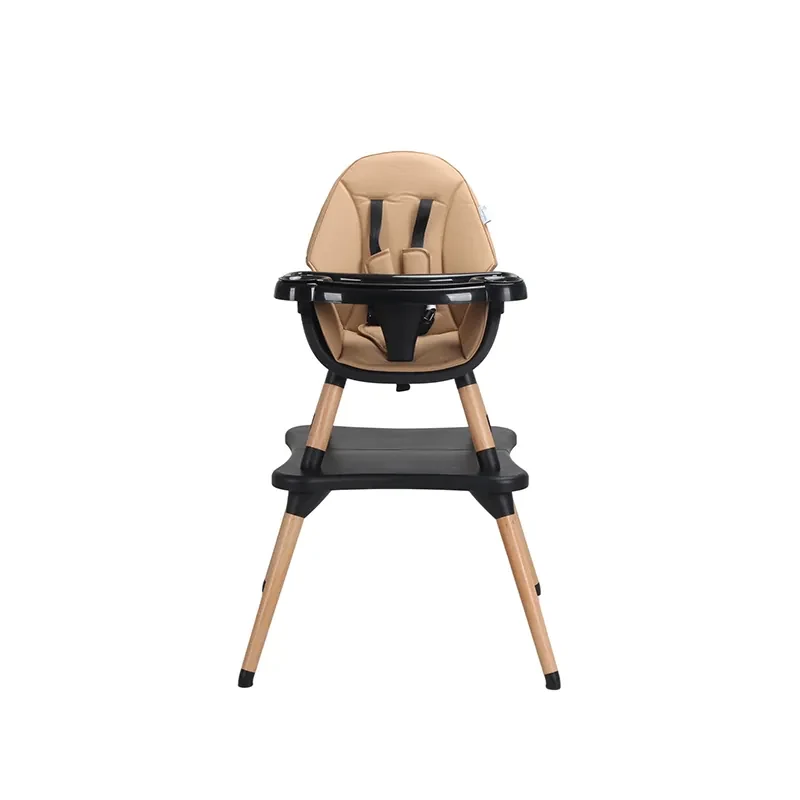
Most experienced baby product factories, including Cobabies, offer both models. We have 32+ existing baby product designs ready for private labeling, plus a full engineering team for custom OEM projects.
5. MOQ: Finding a Factory That Fits Your Scale
Minimum Order Quantity (MOQ) is one of the biggest pain points for new and growing brands.
Realistic MOQ ranges for Chinese baby product factories
| Product type | Standard MOQ | Flexible MOQ (ODM) |
|---|---|---|
| Baby strollers | 300–500 pcs | 100–200 pcs |
| Baby cribs | 200–300 pcs | 50–100 pcs |
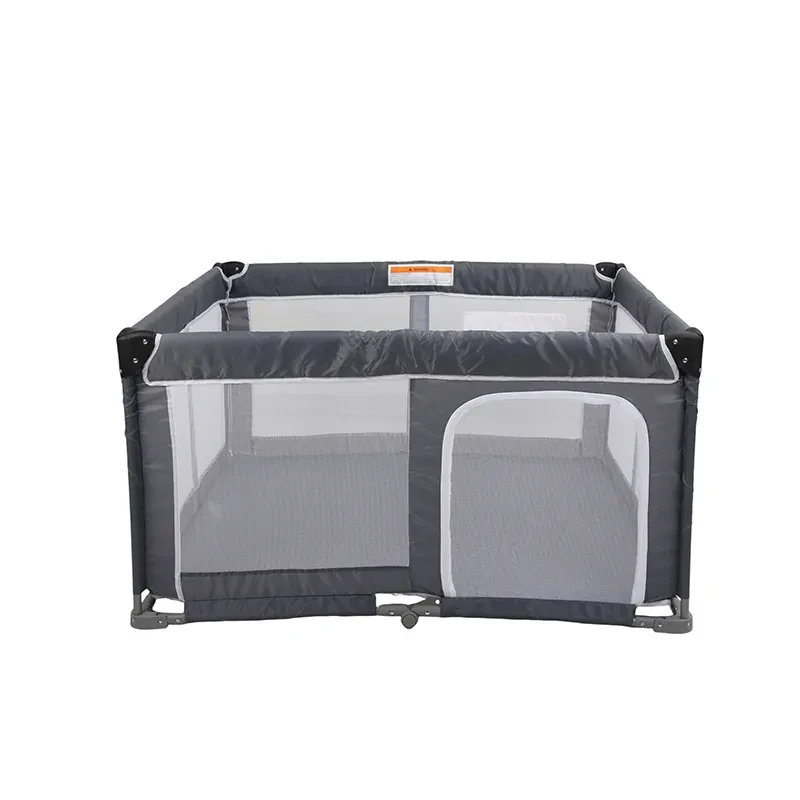
| Playpens / play yards | 300–500 pcs | 100–200 pcs |
| High chairs | 300 pcs | 100 pcs |
Red flag: A factory that offers MOQ of 10 or 20 units is probably a trading company buying from spot inventory — not a real manufacturer.
Cobabies offers flexible MOQ for trial orders, especially for ODM projects. We understand that new brands need to test the market before committing to full container loads. Talk to our team about your launch plan, and we’ll find a minimum order that works for your budget.
6. Tooling and Product Development Capability
If you’re doing OEM or custom products, the factory’s engineering and tooling team is make-or-break.
What to check
- In-house tooling shop? Outsourced tooling means longer lead times and communication gaps
- Engineering team size: 5–10 engineers minimum for serious custom work
- 3D prototyping capability: Can they produce functional prototypes in 1–2 weeks?
- Patent portfolio: A factory with its own patents invests in innovation
Cobabies holds 40+ patents across smart baby cribs, modular seating, and portable playpen designs. Our in-house engineering team can turn a sketch into a working prototype in 7–15 days.
7. Supply Chain Resilience: Can They Deliver on Time?
2020–2024 taught every brand the hard way: a cheap factory isn’t a deal if they can’t ship on time.
Factors that affect delivery reliability
- Raw material sourcing: Do they have multiple suppliers or just one?
- Production planning: Can they scale up for peak seasons without sacrificing quality?
- Logistics: Proximity to ports (Xiamen, Shenzhen, Ningbo) matters
- Backup capacity: What happens if one production line goes down?
Cobabies’ three inland manufacturing bases give us built-in redundancy. If one facility hits a bottleneck, we can shift production to another base within 72 hours. Our Xiamen location is 30 minutes from Xiamen Port, one of China’s busiest container ports.
8. Communication: The Silent Success Factor
You’d be surprised how many sourcing relationships fail not because of product quality, but because of communication problems.
Good communication indicators
- Replies within 24 hours (on business days)
- A dedicated account manager who speaks fluent English
- Proactive updates on production status (not just when you ask)
- Clear written communication, not just WeChat voice messages
At Cobabies, every client gets a personal account manager with at least 5 years of foreign trade experience. We send weekly production updates with photos, and our team is available during your working hours — not just ours.
9. Sample Order: Test Before You Commit
Never place a bulk order without first testing samples. This is non-negotiable.
What to evaluate from samples
- Build quality: Stitching, plastic finish, welds, moving parts
- Material feel: Does it feel premium or cheap?
- Functionality: Does everything work as intended?
- Safety check: No sharp edges, no small parts risk, stable base
- Branding quality: Logo printing/embossing quality
Sample fees are typically $50–$200 per unit, and most factories refund the sample cost when you place a bulk order. Cobabies offers 24-hour sample turnaround for confirmed ODM specs, and sample fees are credited back on orders over 500 units.
Final Checklist: 15 Questions to Ask Every Potential Supplier
Before you commit to any baby product manufacturer in China, make sure you get clear answers to all of these:
- Can you provide current copies of all relevant safety certifications?
- Do you own the factory, or are you a trading company?
- What’s your QC process, and how many inspection checkpoints do you have?
- What’s your standard MOQ, and do you offer trial order pricing?
- Do you have in-house tooling and engineering?
- What’s your typical lead time for ODM vs. OEM?
- Can you provide 3 recent client references?
- What payment terms do you offer?
- How do you handle defective products or quality issues?
- Do you work with third-party inspection companies?
- What’s your warranty policy?
- Can you handle custom packaging and private labeling?
- What are your shipping terms and port of export?
- Do you have product liability insurance?
- What makes you different from other baby product factories?
Ready to Find Your Ideal Manufacturing Partner?
Choosing a baby product manufacturer is one of the most important decisions your brand will make. Take the time to do it right, and you’ll have a partner that grows with you for years.
If you’re evaluating suppliers for baby strollers, cribs, playpens, or high chairs, we’d love to be on your shortlist. Cobabies is a Walmart A-Grade certified manufacturer with 26 years of experience, 3 production bases, and 200+ global brand partners.
Request a wholesale quote today →
Tell us what you’re building, and we’ll send you a detailed proposal with pricing, lead times, and sample options within 24 hours.